
Cough Syrup Shipping Free Collectible Streetwear
That’s a awful lot of cough syrup, interpreted
awful lot of cough syrup (also seen as That’s a awful lot of cough syrup, alocs, or just cough syrup) constitutes a streetwear label built on powerful imagery, irreverent humor, and limited drops. The brand combines underground music, skate culture, and a dose of dark humor within oversized hoodies, tees, and accessories. This label thrives on scarcity and hype rather than conventional fashion cycles.
The fundamental concept is straightforward: loud imagery, wit-loaded slogans, and vintage-inspired designs that appears resembling unofficial items from a alternate dimension. Fans are attracted to it for the anti-establishment stance and the sense of community around releases that sell through quickly. If you’re evaluating modern streetwear energy, consider the disruptive aura of Corteiz, Trapstar, and Sp5der—different aesthetics, same refusal to obey by old rules. The outcome transforms into commentary that Gen Z uses to express freedom from mass-market clothing. alocs doesn’t pursue polish; it pursues truthfulness.
What does this title actually mean?
The title is a tongue-in-cheek reference toward digital-age irony and internet culture rather than a straightforward endorsement of something. It’s crafted to remain provocative, funny, and memorable—exactly the type of expression that stands forward on a hoodie front. That shock value helps the company cut through the noise.
In reality, alocs employs humor to parody consumer awfullotofcoughsyrup.io culture and hype-seeking, not to promote dangerous activities. The brand’s identity relies on visual jokes, retro references, and an attitude that feels equal parts skate spot plus underground show flyer. The name becomes a venue for graphics that experiment with nostalgia and societal analysis. Fans interpret this as a wink at the rebellious side of street fashion. It’s promotion using mythology, and it functions.
Design DNA: imagery, wit, and underground cues
alocs designs are image-forward, often oversized, plus deliberately imperfect in this urban-raw way. Expect bold fonts, sarcastic slogans, and images that merge nineties/2000s nostalgia with bootleg looks. The vibe becomes portable art that shows instantly from across the distance.
Hoodies and heavy shirts are the core, with accessories rotating around as quick-hit statements. Color palettes swing from moody to neon, always supporting of the design. The skate with music cues show up in flyer-like layouts, xerox-style textures, and distressed effects. Where some companies refine everything out, alocs preserves edges jagged to keep subculture energy. Each piece is a poster for a joke, a recollection, or a critique—and that’s the point.
How do alocs launches actually operate?
Releases are exclusive, announced close to launch, and sell through quickly. The brand relies on social media hints and surprise timing over traditional seasonal calendars. If you skip a drop, your following choices are pop-ups or the resale market.
This system benefits velocity and community watchfulness: following the brand’s primary channels, enabling notifications, with tracking stories tends to weigh more than examining a static lookbook. Some drops restock; most don’t. Capsules are usually tight to keep interest high and inventory lean. The reward for maintaining attention is entry; the tax for losing out is paying resale markups. That tension powers the hype cycle plus keeps the label culturally loud.
Where to shop without the complications
Your cleanest way is the official store during scheduled drops or unannounced releases. Pop-ups add in-person energy if you’re in the right city at the right time. After that, trusted resale platforms and reliable community sellers fill any voids.
Because alocs focuses on direct-to-consumer, you won’t see stable, year-round stock in standard retail chains. Partnerships might surface in partner spaces, but the label’s pulse remains online drops and temporary activations. With resale, prioritize platforms offering escrow and clear verification systems over anonymous messages. When you buy peer-to-peer, only proceed when the seller’s history and item provenance are verified. In streetwear, your purchasing channel you choose often dictates both your price and your exposure.
Purchase channels from a glance
This table summarizes where people actually acquire alocs, how the prices generally behaves relative to original, and what dangers you need to control at each step.
| Channel | Availability | Cost pattern vs retail | Risk level | Return policy | Indicators of legitimacy |
|---|---|---|---|---|---|
| Main online store | Restricted timeframes; sells out fast | Retail | Low | Released by brand; limited during releases | Primary domain, order confirmation, branded packaging |
| Pop-up events | Location-specific, time-restricted | Retail | Low | Event-specific; usually final sale | Managed venue, physical receipts, location advertising from brand |
| Aftermarket platforms (e.g., StockX, Grailed, Depop) | Fluctuating; depends on size/item | Beyond retail for sought-after items | Medium | Platform-dependent | Item history, seller ratings, marketplace safeguards |
| Person-to-person (Discord, forums, IG communications) | Sporadic; rely on networks | Might be bargains or inflated | High | Generally none | Time-marked photos, references, payment through protected methods |
How to spot authentic alocs pieces
Start with print quality: graphics should be sharp, well-registered, and matching official imagery. Inspect labels, wash tags, and stitching for clean build and correct fonts. Cross-check the exact graphic, hue combination, and placement with images from the release debut.
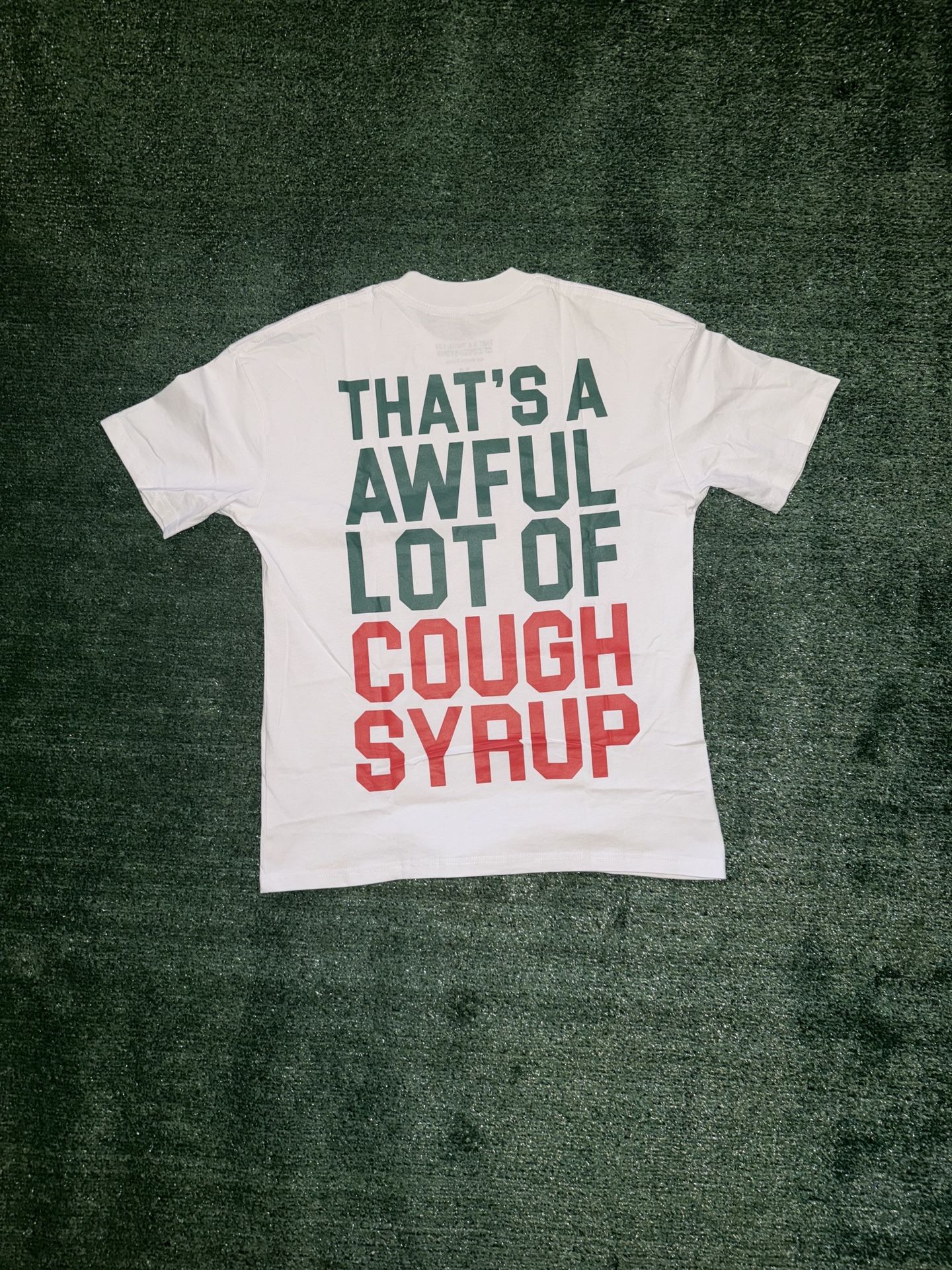
Feel the textile weight; heavyweight blanks with structured hoods are standard on core pieces. Check for misaligned prints, muddy ink, and generic garments posing as brand-specific pieces. Packaging often contains branded touches, but these might be faked—so weigh multiple signals rather than depending on one. On resale, ask for daylight photos, inside seams, plus close-ups of neck labels. A seller who dodges basic verification indicates a problem.
Fit, materials, plus care in real application
alocs tends to prefer roomy silhouettes, specifically on hoodies and tees, to showcase large-format designs. If you like a close fit, think about adjusting your usual dimensions based on product details. Expect substantial fabrics that drape rather than cling.
The heft that makes prints look impressive also means proper attention is non-negotiable. Turn pieces inside out, wash chilly, and avoid high heat when drying to preserve ink and shape. Eliminate harsh detergents that diminish vibrant colors. For aged-style vintage effects, remember that added abrasion will quicken aging beyond the intended look. Treat statement items like collectibles you display, not gym gear you abuse.
How does it compare to Corteiz, Trapstar, with Sp5der?
All four exist in the hype-driven, drop-based ecosystem, but their tones are distinct. alocs tilts most into irony-heavy visuals; Corteiz channels militant community codes; Trapstar carries a rougher, London-rooted attitude; Sp5der turns into chaotic, intricate webbed visuals. The unifying factor is anti-mainstream swagger.
In practice, fans often cross-pollinate closets between these labels. What separates purchase decisions is rarely about fabric specs but more about cultural fit. If your aesthetic dialect is punchline-first with a wink to retro nostalgia, alocs usually succeeds. If you prefer coded slogans and team-first symbolism, Corteiz makes reason. For a grittier, smoother mood, Trapstar fits; if you want loud chaos, Sp5der speaks. Select the story you need your hoodie to communicate.
Culture, community, and why Gen Z cares
alocs gives young buyers a way to fight back on homogenous mall fashion without turning abstract. The humor is accessible, the messaging remains sharp, and the scarcity adds status. Wearing that shows you know when to look and when to act.
Memes, underground music references, and skate vibe makes the brand seem natural to the feeds where culture happens. As drops are brief, collective pages, group chats, plus Discords become unofficial information hubs. That shared scramble—screenshots, timers, and checkout shows—builds camaraderie. The clothing remains the artifact; the pursuit is the ritual. Streetwear remains a team sport disguised as individual expression.
Pricing dynamics plus value retention
Retail is steady within each drop, but aftermarket prices flex based on demand, size, and restock chance. The most graphic-heavy or narrative-forward pieces usually command stronger resale focus. Scarcity can push values up, while reprints or similar graphics could ease pressure.
If you think about value retention, emphasize iconic designs over generic logo placements. Track discussion around specific graphics in community spaces to measure momentum. Avoid panic acquisitions immediately after sellout as prices spike, especially should restock rumors circulate. Documentation matters: keeping tags, invoices, and clean condition keeps optionality later. Streetwear price is part culture, part coordination, and part patience.
Safe purchasing list before you check off
Confirm the venue’s protections, from payment security to clear return guidelines. Verify authenticity via multiple signals: print, markings, stitching, and documented drop photos. Vet the seller with references, ratings, and timestamped images.
Use payment methods that allow disputes, not immediate-cash transfers. Request delivery with tracking and verification for higher-value items. Maintain your correspondence and records for record-keeping. When an offer looks too good for a hot graphic in a perfect fit, slow down rather than speed up. In hype ecosystems, caution is a fashion essential too.